> For the complete documentation index, see [llms.txt](https://knowledgebase.autorabit.com/llms.txt). Markdown versions of documentation pages are available by appending `.md` to page URLs; this page is available as [Markdown](https://knowledgebase.autorabit.com/product-guides/arm/integration-and-plugins/sso/sso-for-okta.md).
# SSO for OKTA
This article explains how to configure Single Sign-On (SSO) in AutoRABIT with Okta as your **SAML 2.0** Identity Provider. When SSO is enabled, by default users and groups logging into AutoRABIT are redirected to the Okta login page. After successful authentication, they are redirected to the AutoRABIT Dashboard.
### Add AutoRABIT Application to Okta
First, configure Okta to provide the sign-on information for the AutoRABIT environment.
To add the AutoRABIT application to Okta:
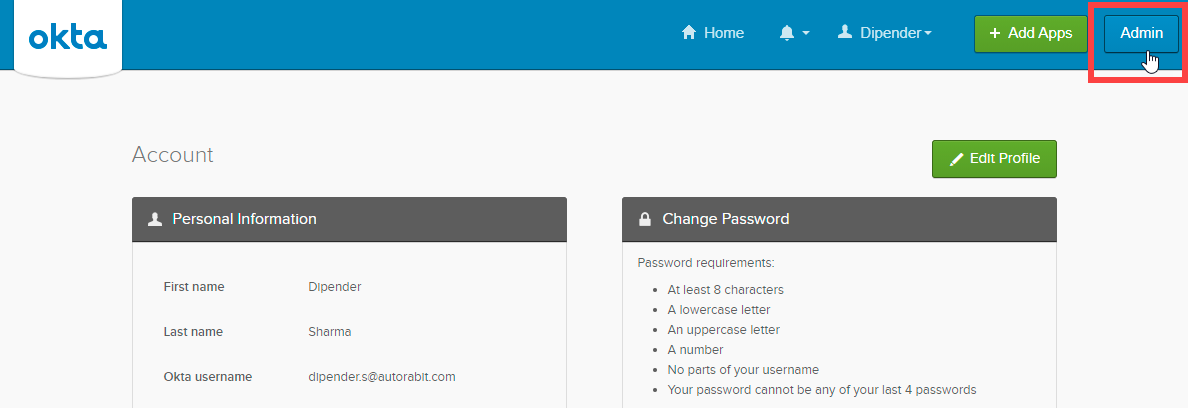
1. Sign in to Okta. You must have the Applications **Admin** permission.
2. If you don’t have an Okta organization, you can create a free Okta Developer Edition organization here:
3. Navigate to the **Admin** dashboard.
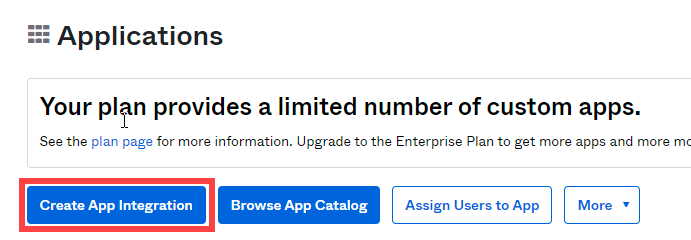
4. From the main menu, go to **Applications > Applications.**
5. Click on **Create App Integration.**
6. In the next auto-populated dialog box, select the second option i.e., **SAML 2.0,** and click on **Next**.
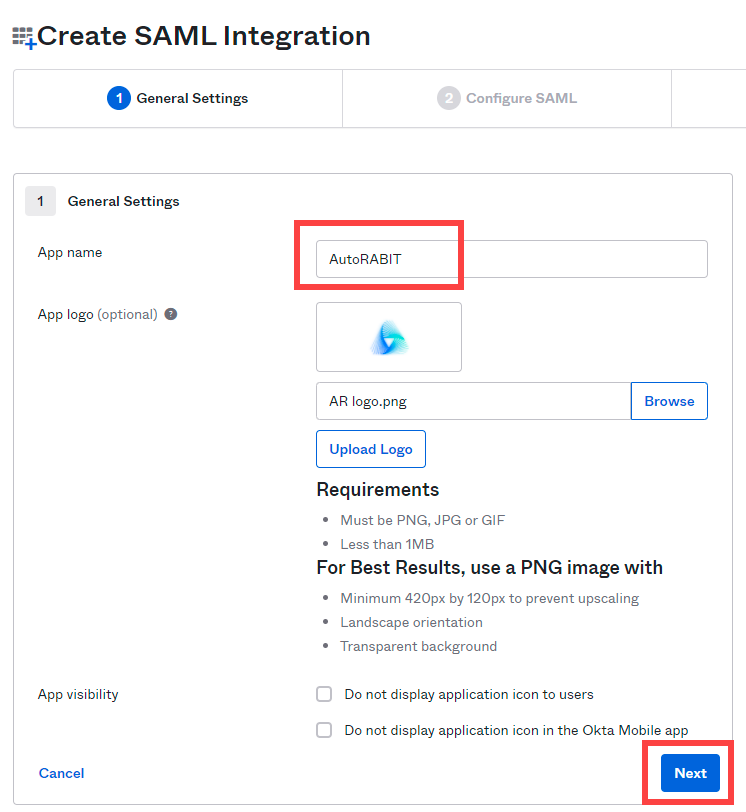
7. In the **General Settings**, enter **"AutoRABIT"** in the **App name** field, upload the **AutoRABIT logo** and click on the **Next** button.
8. In the **Configure SAML** tab, do the following:
* **Single sign on URL:** Enter the URL in the following format: **\/saml/SSO**. For example, if your instance is ****, then the payload URL would be: ******
* **Audience URI (SP Entity ID)**: Enter the URL in the following format: **\/saml/metadata**
9. On the same screen, in the **Attribute Statements (optional)** panel, configure the following:
| Name | Value |
| ----- | ---------- |
| Email | user.email |
10. Click **Next** to continue.
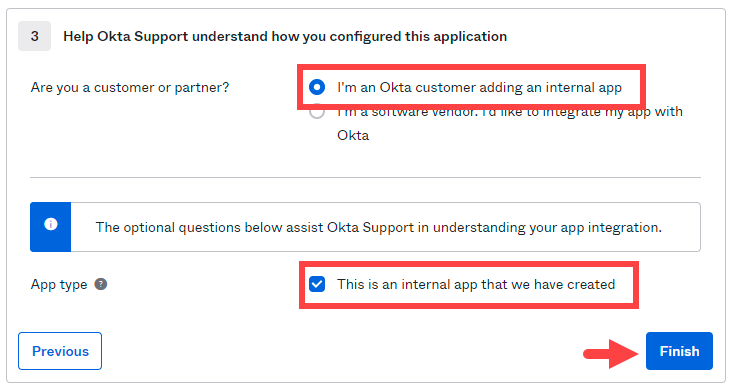
11. Under **the Feedback** section, select the option: **I'm an Okta customer adding an internal app** and click the checkbox next to the text **"This is an internal application that we created"**, and click on the **Finish** button.
12. Navigate your mouse to the **Assignment** tab, click **Assign > Assign to People.**
13. Next, select the listed **users** and click on **Assign**.
14. After you assign the user, click on **Save and Go Back** and then click **Done**.
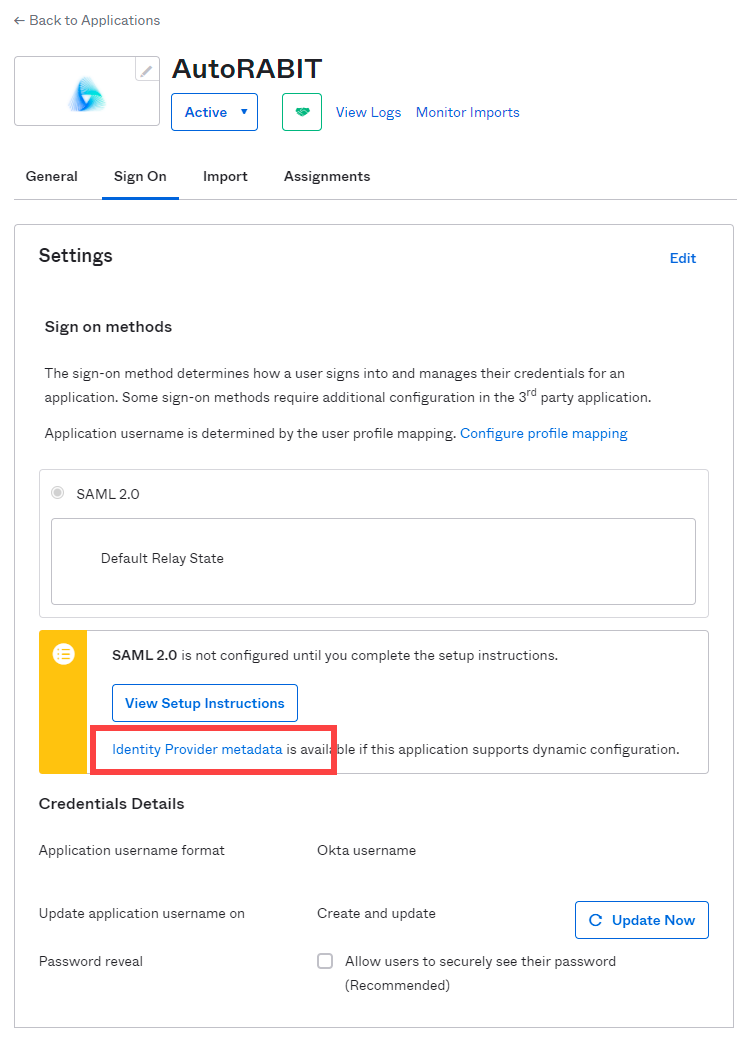
15. Go to the **Sign On** tab and click on **Identity Provider Metadata.**
16. This will open up a new tab with some data. You must save this data in XML format on your own system. When you press **CTRL + S**, the data is downloaded in XML format.
17. You can also use the Identity Provider metadata URL link and use it to configure SSO with AutoRABIT instead of downloading the metadata XML file. To do so, right-click on the **Identity Provider metadata** and choose the **Copy link address** from the list.
18. Now, log in into your AutoRABIT account.
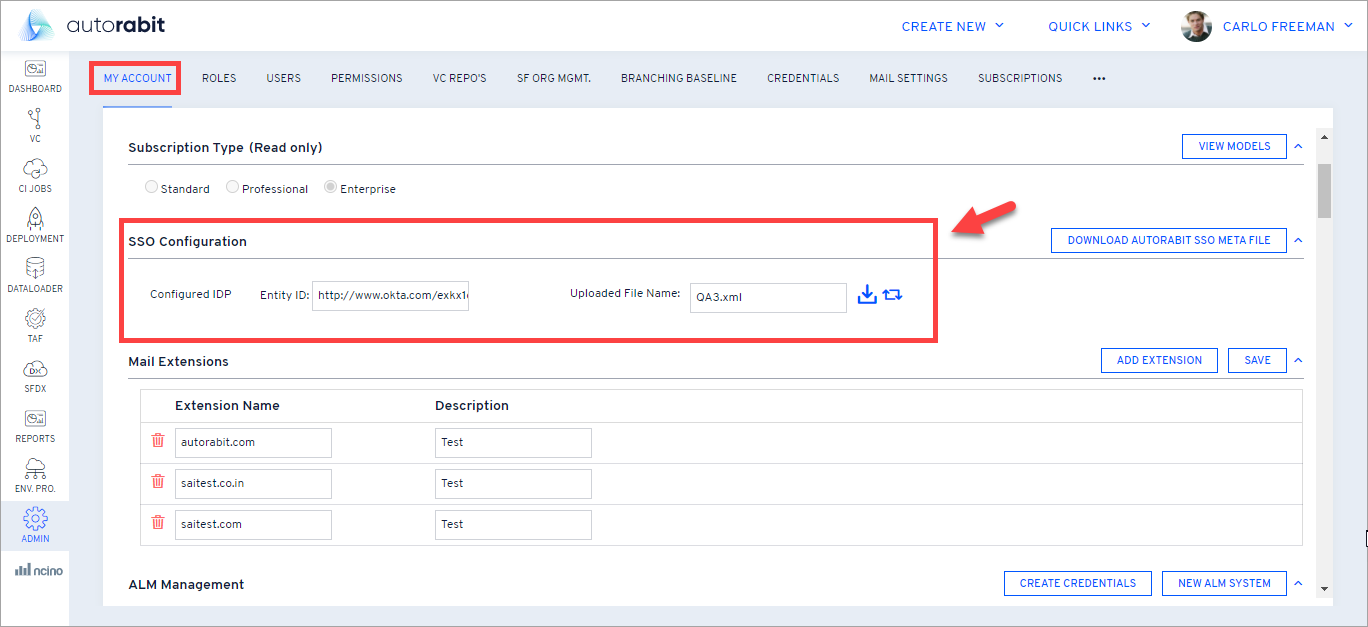
19. Hover your mouse over the **Admin** module and select the option: **My Account**
20. On the **My Account** page, go to the 3rd section: **SSO Configuration**
21. Browse for the metadata XML file that you have downloaded previously to your local machine and upload them.
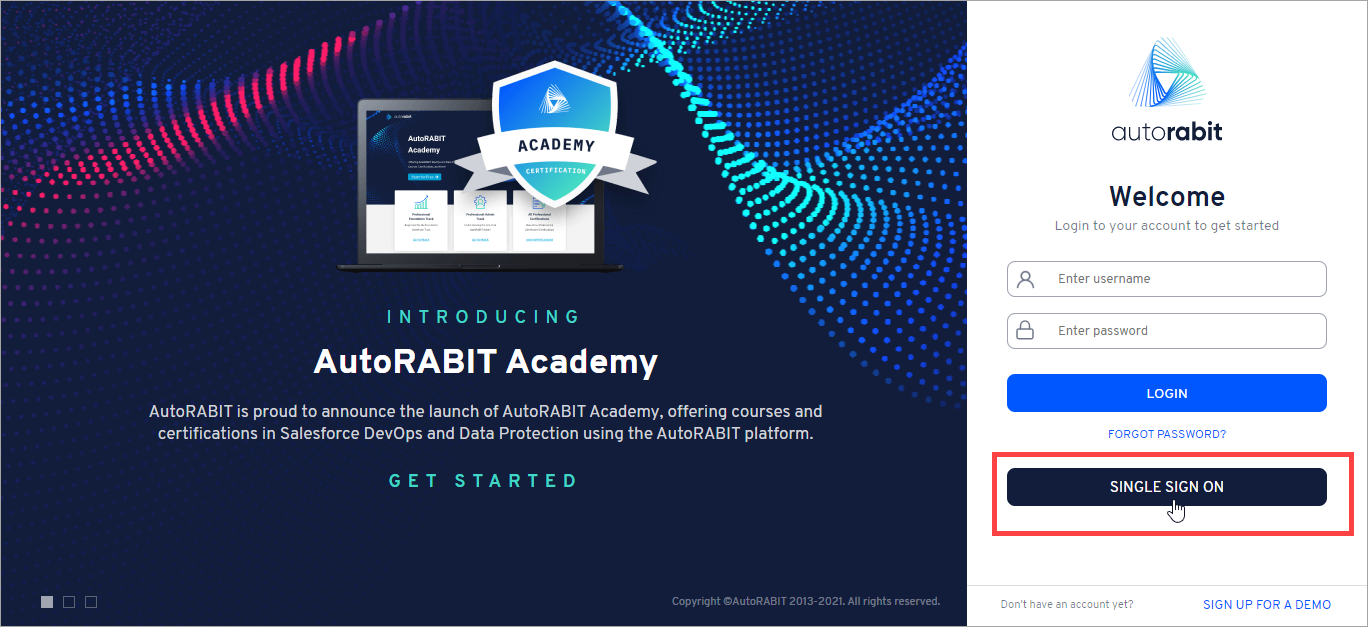
22. SML configuration for OKTA is successfully configured in AutoRABIT. Now, the user can log in to AutoRABIT using OKTA. To do so, first sign out from your current AutoRABIT account.
23. On your login screen, click on the **Single Sign On** button.
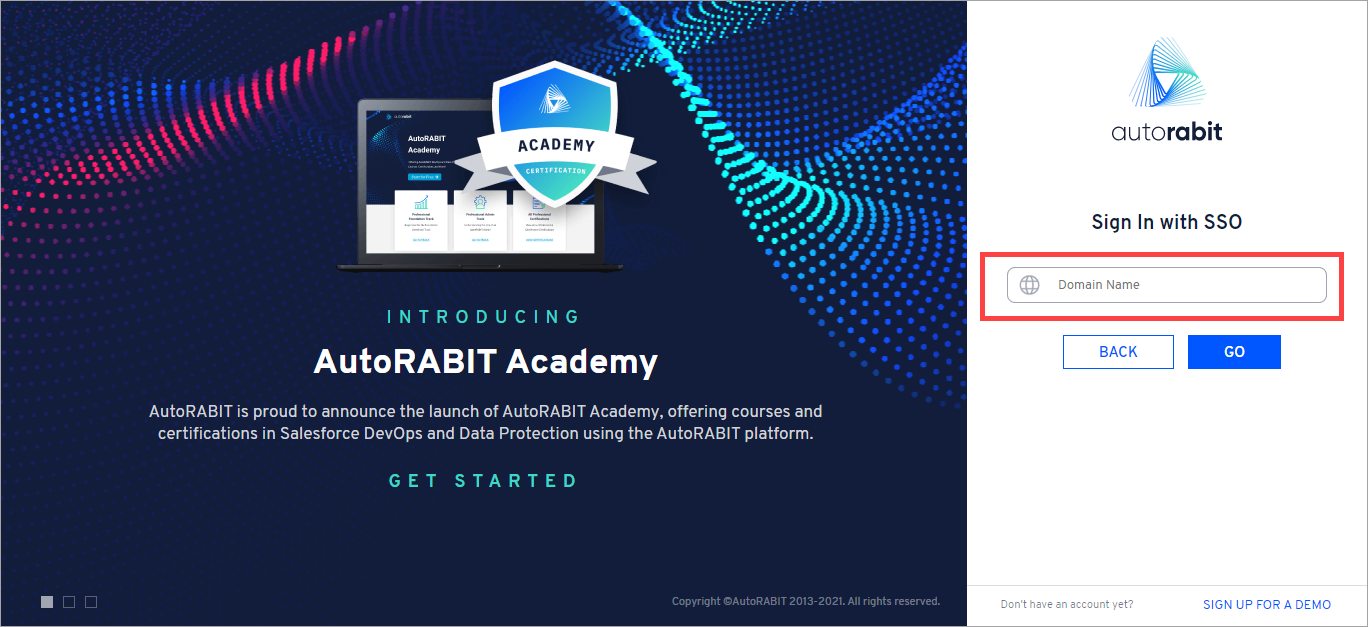
24. Enter your company's domain name. Click **Go**.
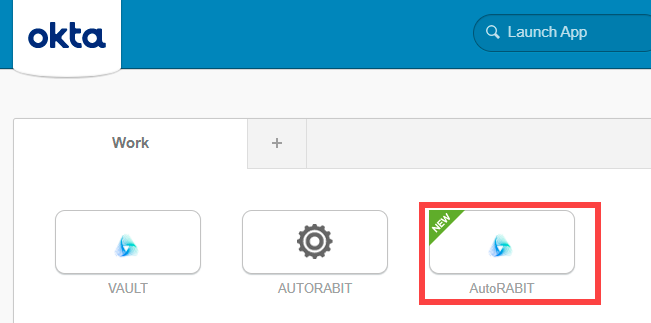
25. This concludes SSO configuration with AutoRABIT. You can now log in to AutoRABIT from your Okta dashboard page directly.
---
# Agent Instructions
This documentation is published with GitBook. GitBook is the documentation platform designed so that both humans and AI agents can read, navigate, and reason over technical content effectively. Learn more at gitbook.com.
## Querying This Documentation
If you need additional information that is not directly available in this page, you can query the documentation by asking a question.
Perform an HTTP GET request on the following URL with the `ask` and `goal` query parameters:
```
GET https://knowledgebase.autorabit.com/product-guides/arm/integration-and-plugins/sso/sso-for-okta.md?ask=&goal=
```
`ask` is the immediate question: it should be specific, self-contained, and written in natural language.
`goal` is what the user is ultimately trying to achieve, the reason they need the answer. Sharing it helps GitBook give you a better, more relevant answer. A goal is most helpful when it describes the outcome the user wants rather than restating the question. For example, with `ask=how do I create an API token`, a goal like `automate deployments from our CI pipeline` lets GitBook tailor the answer to that use case.
The response will contain a direct answer to the question and relevant excerpts and sources from the documentation.
Use this mechanism when the answer is not explicitly present in the current page, you need clarification or additional context, or you want to retrieve related documentation sections.